
HVAC Lead Follow-Up System: Proven Strategies to Convert More Prospects
HVAC Lead Follow-Up System That Books More Jobs
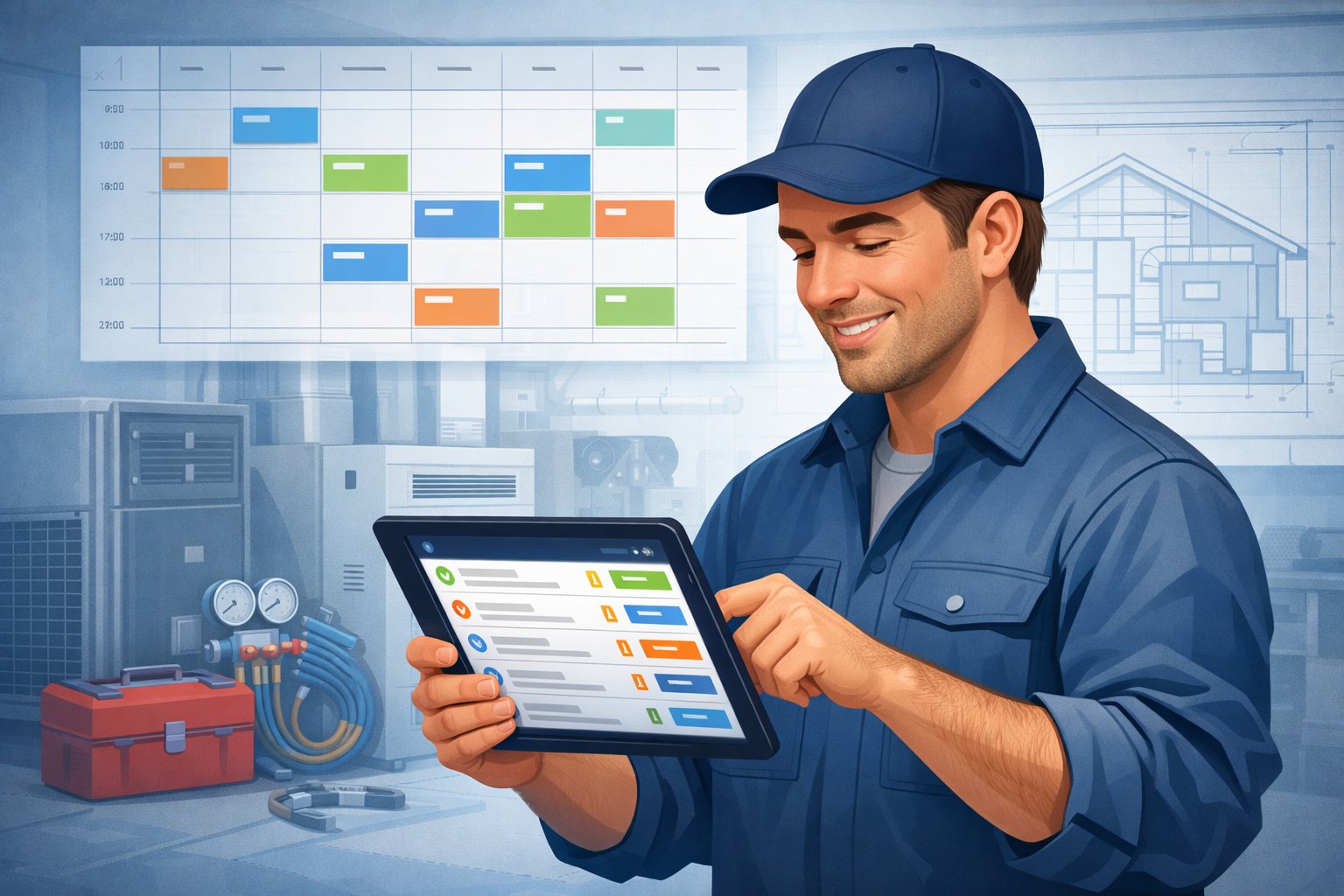
You don’t lose most HVAC leads because of weak HVAC lead generation. You lose them when your team responds slowly, inconsistently, or through only one channel.
A structured follow-up system contacts every prospect through:
- Phone calls
- Text messages
- Email sequences
- Automated reminders
- Lead tracking dashboards
This approach keeps your company in front of homeowners while they compare estimates or delay decisions.
When you respond quickly and follow up with discipline, you convert more inquiries into scheduled service calls without increasing your ad budget.
Get a Follow-Up Audit
Book a Strategy Call
Why HVAC Leads Lose Momentum (Even When They Show Interest)

Even motivated prospects delay responses. They work long hours, ignore unfamiliar calls, or plan to reply later and forget.
Many contact multiple contractors at once. The company that replies first often wins the job, not the one with the best pricing.
Without structured HVAC lead management, interest fades quickly. A clear lead qualification process, smart lead scoring, and an organized lead management system help you follow up in the right order and stay visible until they book.
What We Build: A “Perfect Follow-Up” System for HVAC

1) Rapid Response Lead Contact Framework
You receive instant alerts the moment a new inquiry comes in.
We configure immediate call and text outreach so your response time stays short, even during high-demand periods. Automated follow-up triggers ensure no request sits untouched while your team is on jobs.
2) 14-Day Multi-Touch Follow-Up Campaign
You deploy structured follow-up sequences across multiple channels:
- Phone calls
- Text follow-up messages
- Email campaigns
- Optional voicemail drops
This 14-day cadence blends automated reminders with manual touchpoints. You stay visible without overwhelming the homeowner, which supports steady booking rates.
3) Two-Step Callback Approach
You use a simple call pattern to improve connection rates:
- Place the first call
- Pause briefly if unanswered
- Call again
- Leave voicemail only after the second attempt
This method increases live conversations without adding pressure.
4) Natural, Conversation-Based Call Scripts
You equip your team with straightforward scripts tailored to:
- Emergency service calls
- Standard repair requests
- Estimate and replacement inquiries
- Maintenance visits
Each script keeps the tone clear and human, not promotional.
5) Performance Tracking and Booking Metrics
You monitor key data points in one view:
| Metric | What It Shows |
|---|---|
| Contact rate | How often leads respond |
| Speed-to-lead | How quickly you follow up |
| Appointment rate | How many inquiries book |
| Source tracking | Which channels produce jobs |
Call tracking and reporting reveal where leads convert and where they drop off, so you can adjust your follow-up process with accurate data.
The Metric That Drives Revenue: Your Booking Percentage
You may watch cost per lead, but profit depends on how many inquiries turn into scheduled work.
Booking Rate = Booked Jobs ÷ Total Leads
When you raise this percentage, you generate more revenue from the same lead flow. That lifts average job value per lead without increasing ad spend.
Who This System Fits Best
This setup works best if you already generate leads through Google Ads, Local Services Ads, or Facebook campaigns and want stronger results from that traffic.
It supports companies with multiple office staff or CSRs who need a clear process for handling inbound inquiries.
You benefit most if you:
- Miss incoming calls
- Struggle to contact new leads quickly
- Want to increase installs and service bookings from your current lead flow
If leads already come in, you can turn more of them into scheduled jobs.
What You Receive
You get a structured lead workflow that moves prospects from new inquiry to booked job, then into re‑engagement if they go quiet. This pipeline supports high-demand services like AC install, emergency AC repair, and furnace repair.
You also receive:
- A 14-day multi-channel follow-up plan (calls, texts, emails)
- Proven call and SMS scripts for common service scenarios
- Automated SMS, email, and task reminders
- Call tracking setup and dashboard guidance
- CSR training with a clear, easy-to-follow SOP
Why Boost Cliques
You gain more than ad management. You install a structured growth system that connects Google Local Services Ads, paid search, and local visibility with disciplined follow‑up inside tools like Housecall Pro.
Instead of chasing clicks, you build a process that turns inquiries into scheduled work through:
- Targeted Google Ads management
- Strategic local SEO services
- Data-driven HVAC marketing services
You compete in crowded markets with clear tracking, defined workflows, and consistent booking performance.
Get Your Follow-Up Audit
Increase booked HVAC jobs without raising ad spend by reviewing how your follow-up process performs.
Your audit will examine:
- Response speed to new inquiries
- Number of follow-up attempts per lead
- Points where prospects drop off
- Simple system fixes to close gaps
You gain clear direction on what to adjust so your existing leads convert more consistently.
Frequently Asked Questions
Which follow-up methods work best for HVAC prospects?
You increase close rates when you respond quickly and follow up in multiple formats. Use a mix of phone calls, text messages, and email to reach homeowners based on their preferences.
Build a simple process:
- Call within minutes of receiving the lead
- Send a confirmation text with scheduling details
- Follow with reminder messages before the appointment
- Continue light follow-up on open estimates
Many contractors rely on structured pipelines and response rules outlined in these lead management strategies for HVAC businesses to prevent leads from going cold.
How does artificial intelligence support HVAC lead follow-up?
AI tools automate repetitive communication without removing your control. You can trigger texts, reminders, and estimate follow-ups based on customer behavior.
For example, some companies use systems similar to an AI lead follow-up agent for HVAC companies to maintain consistent contact with prospects who have not yet booked.
You benefit from:
- Automated responses after hours
- Scheduled follow-up sequences
- Message personalization based on job type
AI reduces delays while keeping your communication organized.
Can you manage HVAC leads using free software?
You can start with free CRM tiers, shared calendars, and basic automation tools. These help you log calls, assign tasks, and schedule reminders without upfront costs.
However, general tools may lack features built for HVAC workflows such as dispatch tracking or service history management. Industry-focused platforms described in guides about setting up HVAC CRM systems to boost lead conversion often provide more tailored capabilities.
Free tools work for small teams, but growing companies usually need more structure.
How fast should you respond to HVAC leads?
You should respond within minutes whenever possible. Fast replies increase your chances of booking before the homeowner contacts another contractor.
Some response frameworks recommend answering inbound calls within three rings and replying to digital inquiries immediately, as outlined in this HVAC lead response guide.
Aim for:
- Under 5 minutes for online leads
- Immediate pickup for inbound calls
- Same-day follow-up on missed calls
Speed signals reliability and professionalism.
What advantages do automated text and messaging systems provide?
Automated messaging helps you capture opportunities that would otherwise disappear. When you miss a call, an instant text can acknowledge the inquiry and provide a booking link.
Services like HVAC missed call recovery systems show how text-back automation keeps conversations active instead of sending callers to voicemail.
You gain:
- Faster engagement
- Fewer lost leads
- Consistent communication outside office hours
Automation keeps your pipeline active even when your staff is busy.
Which performance indicators should you monitor in a follow-up system?
Track metrics that show both speed and effectiveness. Focus on measurable data that connects to revenue.
| Metric | Why It Matters |
|---|---|
| Response time | Measures how quickly you contact new leads |
| Contact rate | Shows how many leads you successfully reach |
| Booking rate | Tracks how many contacts schedule service |
| Estimate-to-close ratio | Reveals sales effectiveness |
| Follow-up attempts per lead | Ensures consistent outreach |
You should also review weekly reporting and structured follow-up processes similar to those outlined in an HVAC lead response and booking playbook to maintain accountability.
Consistent tracking helps you refine your system and improve conversion rates.